"It’s not just about dry compressed air - it’s about keeping the process under control”

Marketing Specialist
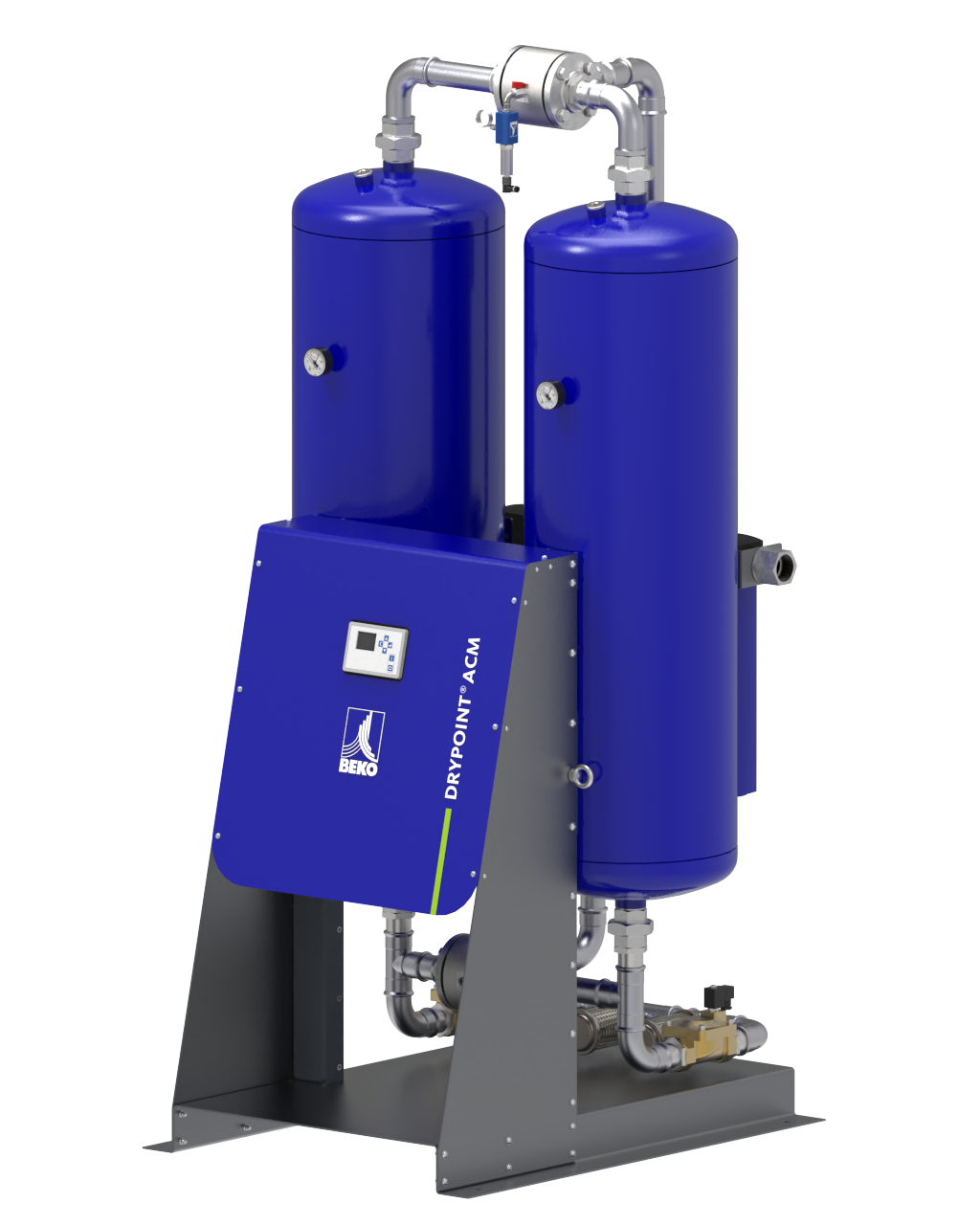
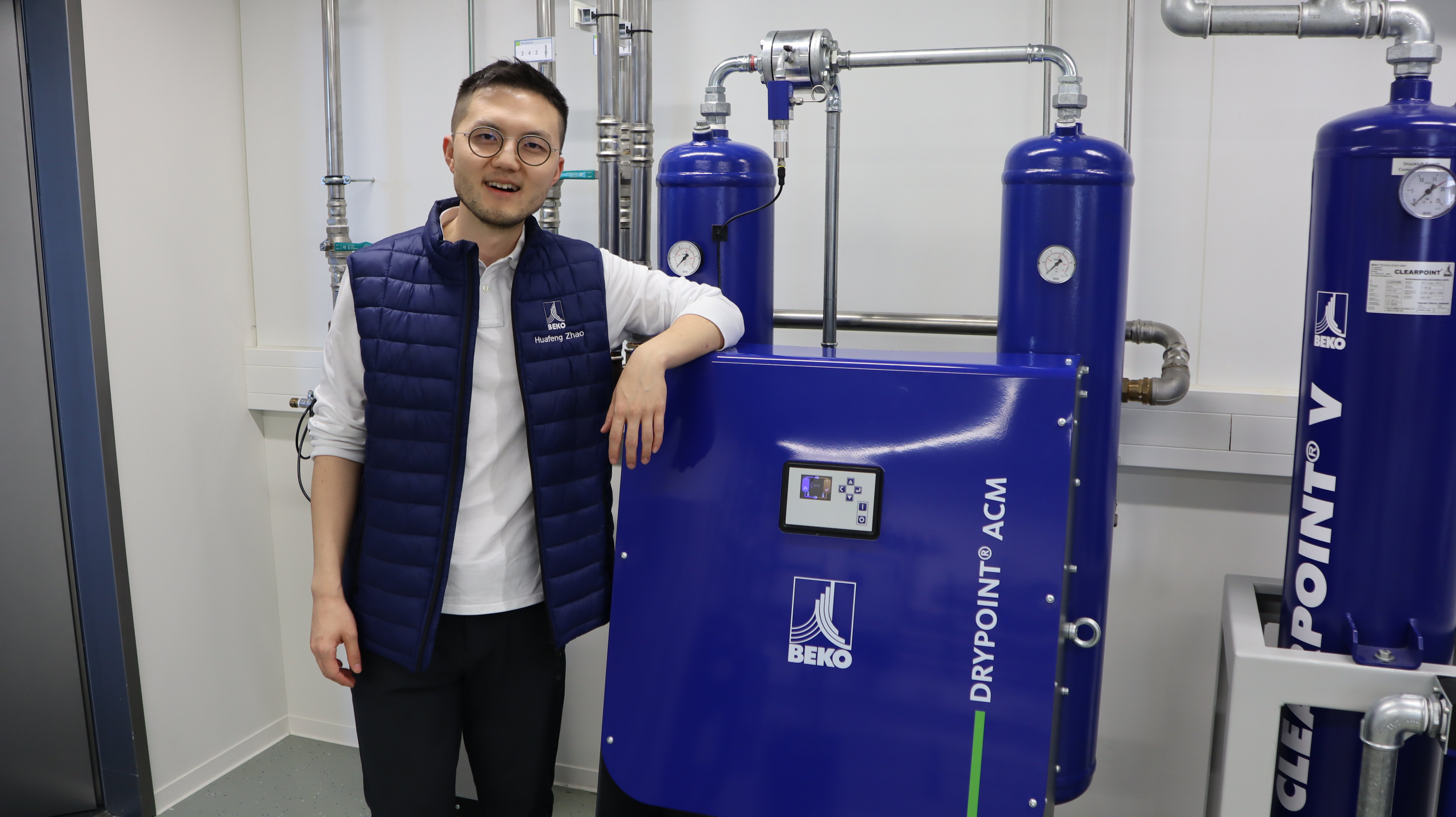
How do you develop an adsorption dryer that not only delivers reliable drying performance, but also proves itself in real plant operation? With the DRYPOINT® ACM, we are expanding our portfolio with a new series for medium flow rates. In this interview, Product Manager Huafeng Zhao, Project Manager Sylke Waldschmidt-Schroer and Development Engineer Simon Reuter talk about transparent process control, practical system design and the requirements modern compressed air systems need to meet today.
Huafeng, with the DRYPOINT ACM, BEKO TECHNOLOGIES is launching a new product series. What exactly is it about?
Huafeng: With the DRYPOINT ACM, we are specifically expanding our portfolio in the field of adsorption drying for medium flow rates. Following the DRYPOINT ACC in the compact segment, we are thus closing a gap in the market by offering a tiered solution for different performance ranges. For us, the focus of development was not only on pure drying performance, but above all on how the dryer behaves and can be operated in real plant operation.
Simon, what distinguishes the DRYPOINT ACM from typical adsorption dryers of this design?
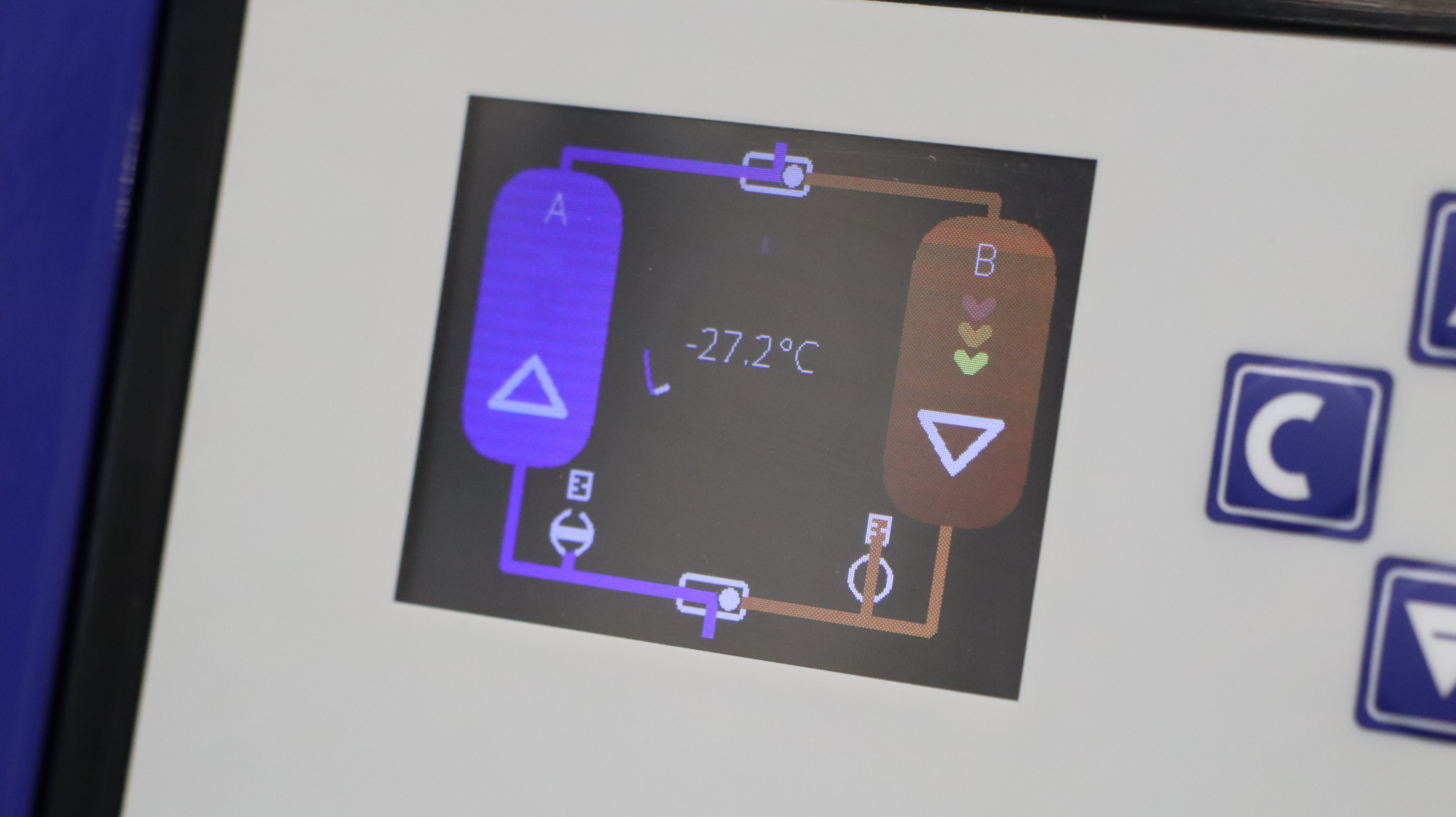
Simon: The basic principle of adsorption drying is well established. In our view, the difference lies in the implementation of the details. One key aspect is the transparency of the process. The control system clearly indicates the dryer’s current status and how the process is currently proceeding. This helps the operator better assess situations and respond more effectively.
A second point is the unit’s design. We deliberately took care to separate the controls from the connections and maintenance access. The controls, featuring a color display, are located at the front, while all connection and maintenance-related components are accessible at the rear.
Sylke, your colleague Huafeng mentioned the development. What has changed here compared to the past?
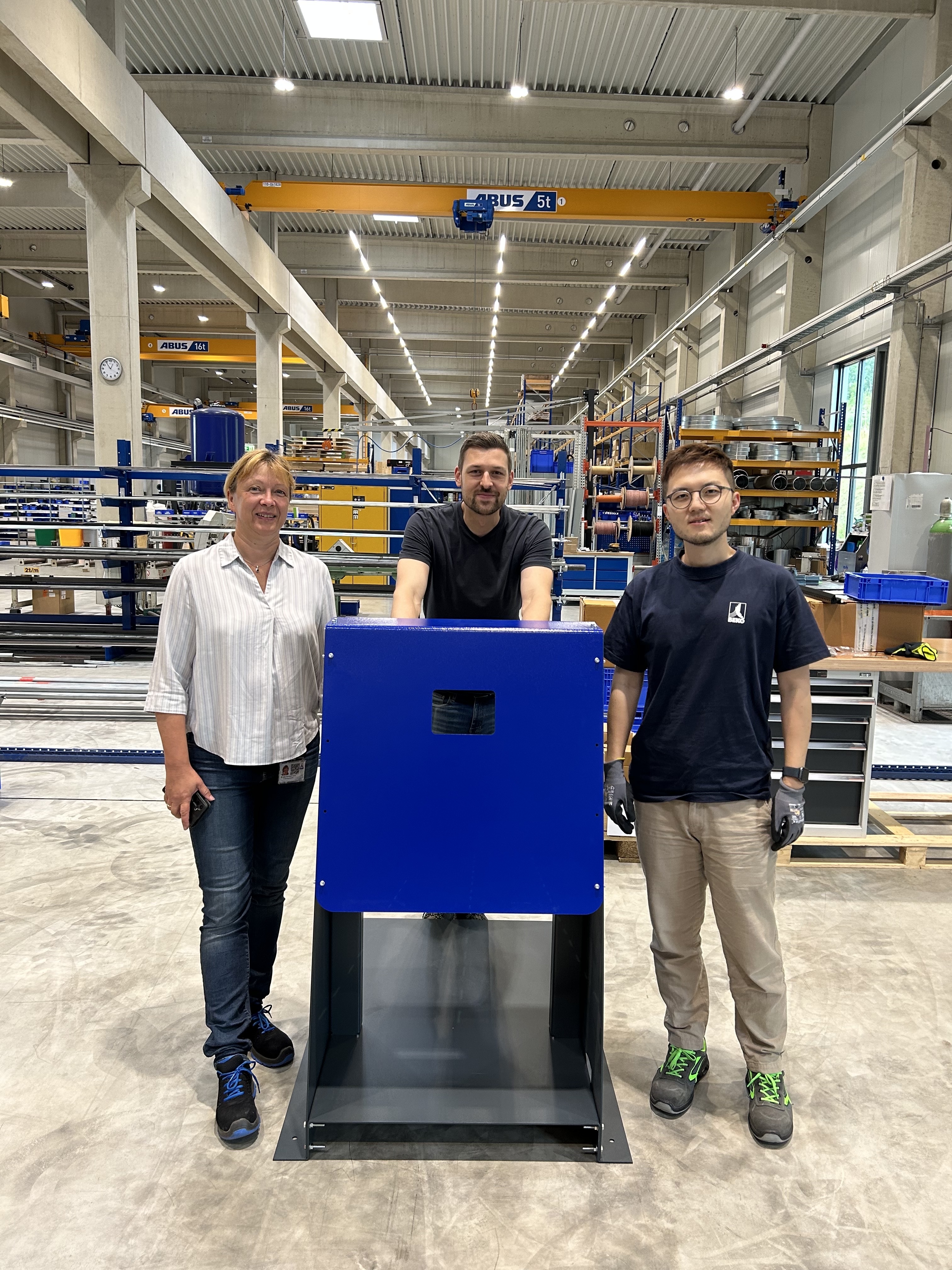
Sylke: The previous generation in this segment was manufactured by an experienced OEM partner. That was a proven collaboration with a high level of technical expertise. However, with the DRYPOINT ACM, we made a conscious decision to implement our own concept, consistently tailored to customer requirements. This also involved bringing development and production closer together. Manufacturing now takes place at our plant in Netphen in the Sauerland region—the same location where our EVERDRY adsorption dryers are built.
What specific advantages does this offer?
Sylke: Above all, greater consistency in system design. When development, design, and production are closely integrated, practical requirements can be implemented more directly. At the same time, we benefit from being able to build on existing experience and manufacturing structures. This enables highly targeted further development, not only at the component level but across the entire system. We have more direct influence on design, quality, and further development.
What role does the control system play in the overall concept?
Huafeng: A very central role. In many plants, compressed air dryers are functionally reliable, but their condition is not always immediately apparent. We wanted a solution where the operator not only sees values but understands what is happening in the system. That is why we placed great emphasis on an intuitive, clear display of process conditions. The color display supports quick and clear orientation during operation. In addition, the control system with compressor synchronization and directly adjustable parameters ensures efficient and user-friendly operation The goal is not to provide more data, but to present the right information in an understandable way.
Simon, how significant is the experience gained from the EVERDRY systems?
Simon: A very significant one. Collaborating with experts from the EVERDRY ecosystem has allowed us to draw on extensive experience from demanding applications. This is less about individual components and more about the interaction of the entire system—that is, system logic, sizing, and behavior under real-world conditions. This experience has been directly incorporated into the development of the DRYPOINT ACM and has already been demonstrated in the excellent test results available.
For which applications is the DRYPOINT ACM particularly suitable?
Huafeng: Whenever stable pressure dew points are critical and deviations can affect the process. This applies, for example, to applications in the food and beverage industry, the chemical or pharmaceutical industry, as well as in mechanical engineering or sensitive production processes.
Finally, Huafeng, what do you consider to be the most valuable aspect of the DRYPOINT ACM?
Huafeng: For me, the greatest added value of the DRYPOINT® ACM lies in the combination of reliability, transparency, and ease of operation. The dryer operates reliably in the background while making its operating status clearly understandable at all times. This enables operators to respond more quickly, make better decisions, and keep their processes stable. That is exactly what makes the DRYPOINT® ACM so valuable in everyday operation.