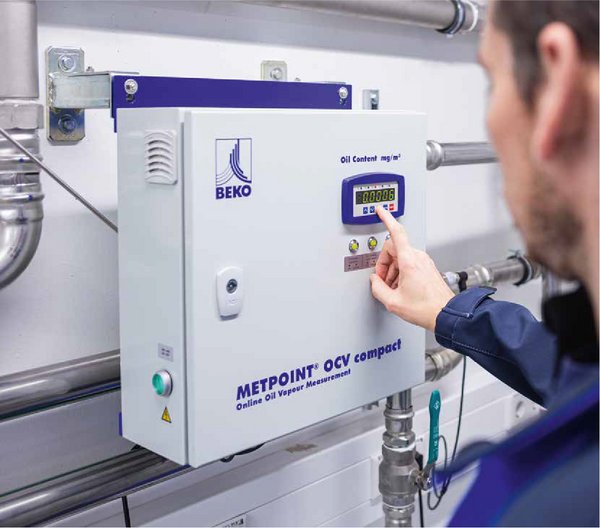
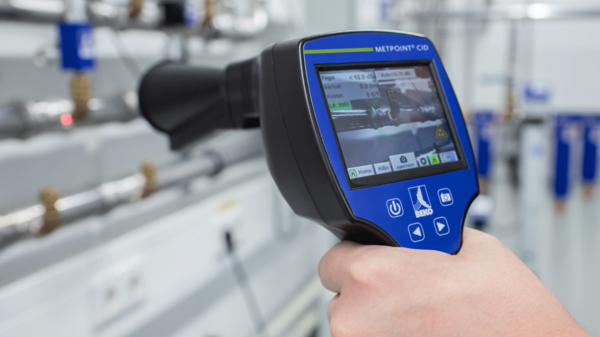
Two paths to compressed air optimization
Depending on your objectives and starting point, CALMS offers two proven approaches – from a fast system assessment to permanent compressed air monitoring.
Monitoring, energy analysis and operational safety with CALMS Air Intelligence
CALMS Air Intelligence is your solution for compressed air monitoring, energy analysis, and operational reliability.
Whether as a temporary system analysis or as permanent monitoring, CALMS creates transparency, reduces energy costs and increases the reliability of your compressed air station.
Key benefits:
Compressed air is one of the most energy-intensive utilities in industrial production.
At the same time, many systems lack continuous visibility into energy consumption, air quality, and system condition.
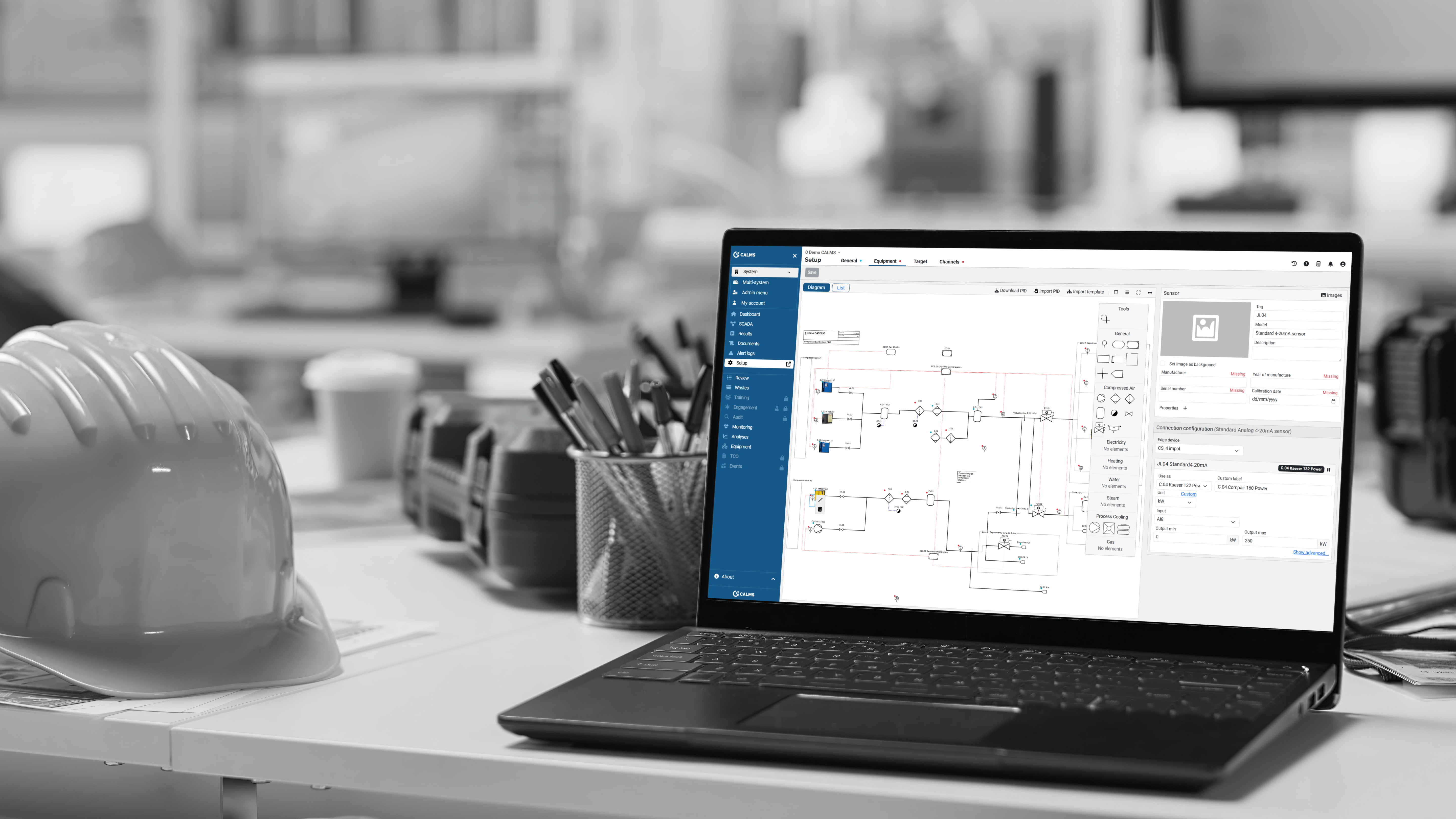
CALMS Air Intelligence provides holistic compressed air analysis and monitoring across generation and treatment. Automated evaluations reveal cost drivers and create a solid foundation for targeted efficiency improvements and operational reliability.
Typical challenges in compressed air systems:
CALMS makes compressed air transparent – and optimization measurable.
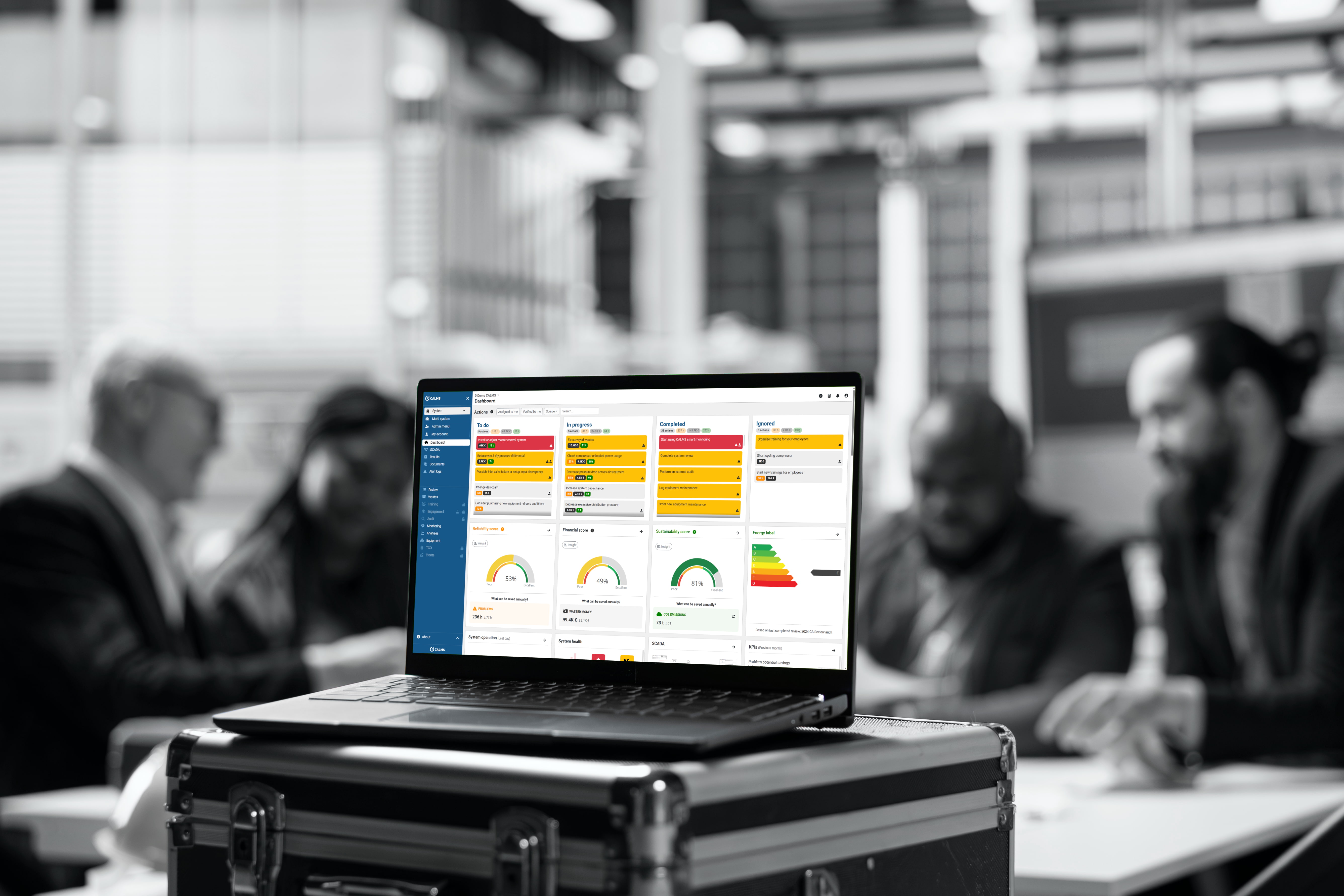
Depending on your objectives and starting point, CALMS offers two proven approaches – from a fast system assessment to permanent compressed air monitoring.
The CALMS System Check is the structured entry point into data-driven optimization of your compressed air system.
Our approach
During a time-limited measurement campaign, our experts analyze energy consumption, operating behavior and compressed air quality. The result is a comprehensive audit of system performance with actionable insights.
What the system check delivers
Your operational advantages
When is CALMS System Check right for you?
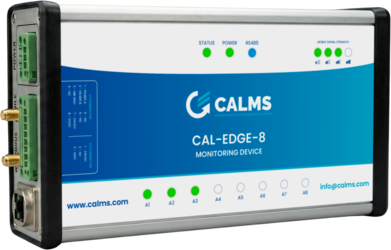
CALMS System Optimization enables continuous monitoring of compressed air systems and supports long-term energy efficiency and system reliability.
Our approach
Based on defined objectives, your compressed air station is equipped with permanent measurement systems. CALMS continuously monitors key performance indicators and detects deviations early in operation.
What permanent monitoring delivers
Your operational advantages
When is CALMS Monitoring right for you?
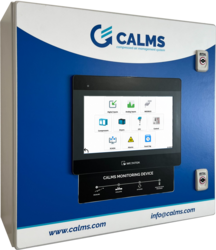
CALMS Air Intelligence is a solution for analyzing and monitoring compressed air systems. It provides transparency regarding energy consumption, compressed air quality and system condition – either as a temporary analysis or as permanent monitoring.
Compressed air monitoring refers to the continuous measurement and evaluation of key operating data in a compressed air system. The goal is to detect deviations early, improve energy efficiency and ensure reliable operation.
CALMS is suitable for industrial companies that:
The CALMS System Check is time-limited and minimally invasive. All measurements are performed during normal operation without interfering with production.
No. The measurement is designed to avoid any disruption to your ongoing processes.
After the measurement phase, you will receive a structured analysis report including clear findings and recommendations.
CALMS is not a standard product, but a data-driven analysis and monitoring solution tailored to your specific application.
No. Many customers start with a CALMS System Check and decide on CALMS System Optimization based on the results.

Together with you, we review your system, document specific requirements and define objectives – whether you start with a temporary System Check or aim for permanent monitoring.
Based on your goals, we jointly define the relevant measurement points, parameters and the appropriate concept – for a time-limited analysis or a permanent monitoring solution.
All relevant equipment is installed, to allow for data collection and transmission as a menas for further interpretation.
Depending on the chosen approach, data acquisition is carried out as a temporary measurement or as continuous monitoring – aligned with your processes and without disruption.
Collected data is clearly prepared and jointly analyzed, providing understandable key figures, results and context related to your objectives.
Based on the analysis, we jointly develop concrete recommendations. The System Check provides a solid decision basis, while System Optimization supports continuous transparency and long-term performance improvement.