Compressed Air Filtration

Clean compressed air. Safe processes. Efficient systems.

Get in touch

Why use filters?

  • Protection against equipment damage

    Particles, water, and oil can damage your equipment, increase wear and tear, and cause breakdowns.

  • Ensuring compressed air quality

    Clean compressed air is the foundation for quality-oriented processes, product quality, and production that meets industry standards.

Three pillars of your success

  • Process reliability

    Reliable filtration protects equipment and processes from contamination and downtime.

  • Cost-effectiveness

    Low differential pressures and long service life reduce energy consumption and operating costs.

  • Trust

    BEKO TECHNOLOGIES Quality “Made in Germany” — for consistent performance and maximum reliability

What needs to be removed from the compressed air?

  • Particles

    Dust, dirt, and solid particles

  • Water

    Condensate, liquid water, and moisture

  • Oil vapors

    Oil-containing vapors and molecules

The compressed air class is the deciding factor

The quality of compressed air required for your application depends on the process, industry, and requirements.

Learn more about compressed air quality

Which solution do you need?

Water separator

Reliable removal of liquid water and coarse particles


Compressed air filters up to 50 bar

For standard industrial filtration: threaded and flanged filters


High pressure filters

Reliable filtration at high operating pressures of up to 500 bar and in demanding applications.


Sterile and steam filters

For sterile compressed air and steam in sensitive processes that meet the highest standards.


Additional components may be useful, depending on the application

For a complete compressed air treatment system

Dry

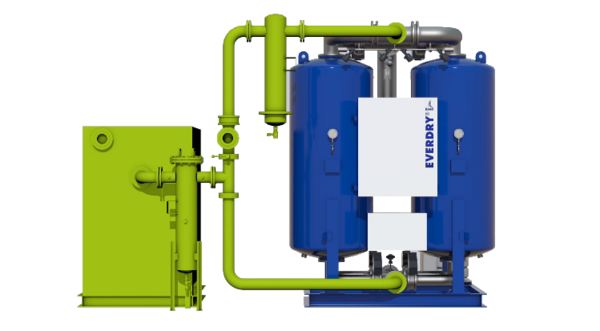
Moisture in the form of condensate in compressed air systems creates a permanent danger for operation processes. Our DRYPOINT and EVERDRY compressed air dryers provide you with considerably increased process safety and therefore significant advantages.


Drain

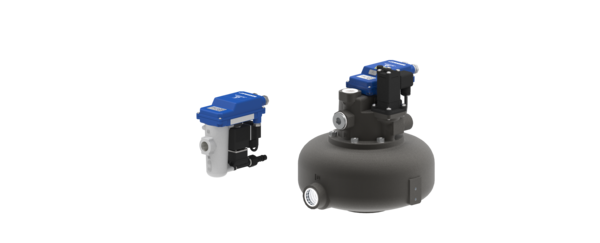
Condensate is generated at almost all stations in the compressed air system, from the compressing stage through to treatment by filtration or drying. Our BEKOMAT helps you remove condensate from your compressed air and achieve the optimum quality for your application. 


Seperate

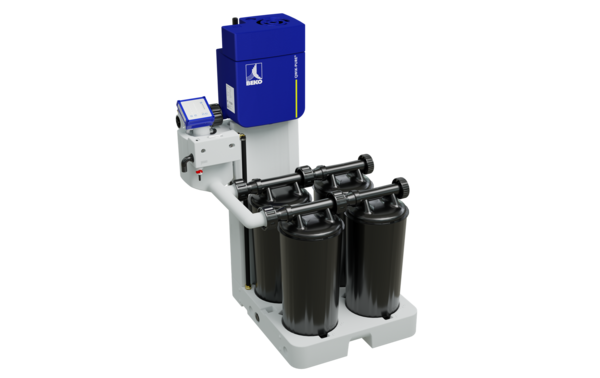
Condensate is produced in every compressed air system and often contains oil, dirt particles and other contaminants. Our oil-water separators, the ÖWAMAT and QWIK-PURE, treat the condensate so that it can be discharged in accordance with the law – reliably, in an environmentally friendly manner and cost-effectively.


Monitor

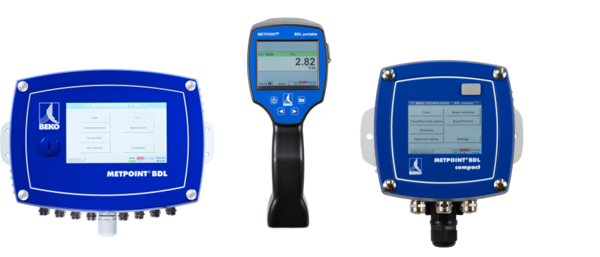
Measurement technology allows you to monitor your plant, optimise processes and reduce production costs. Our METPOINT series helps you improve efficiency, ensure a reliable supply of high-quality compressed air and meet the highest standards over the long term.


Digitize

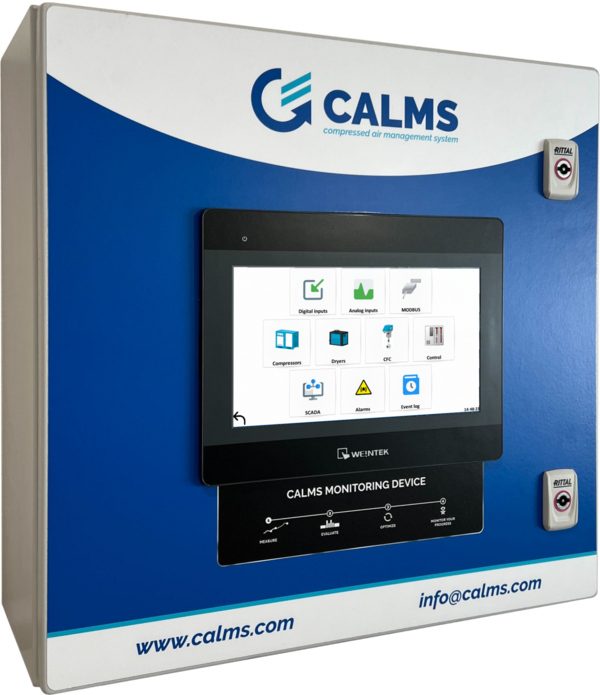
CALMS Air Intelligence helps you understand, monitor and optimise your compressed air system. From initial system assessment to continuous monitoring and automated control, CALMS provides the transparency needed to improve efficiency, reliability and performance.


Frequently asked questions about compressed air filtration

Why is compressed air filtration necessary?

Compressed air can contain contaminants such as particles, oil aerosols and water droplets. These contaminants can affect product quality, damage equipment and interfere with sensitive processes. Effective compressed air filtration helps achieve the required air quality and protects downstream equipment and applications.

Which compressed air filter do I need?

The right compressed air filter depends on the contaminants to be removed, the required air quality, operating pressure, flow rate and application. The CLEARPOINT® portfolio offers filtration solutions for a wide range of requirements – from standard and high-pressure compressed air applications to dust filtration, sterile and steam filtration, and water separation. For applications requiring the removal of oil vapour, CLEARPOINT® V activated carbon adsorbers provide an additional treatment solution.

Which contaminants can compressed air filters remove?

Depending on the filter type and filtration stage, compressed air treatment can remove solid particles, dust, oil aerosols and liquid water. Oil vapour can be reduced using activated carbon adsorption, while specialized filtration solutions support the required air quality in hygiene-sensitive processes. The appropriate combination depends on the application and required compressed air purity.

What is the difference between a compressed air filter and a water separator?

A water separator removes bulk liquid water and condensate from the compressed air stream, while compressed air filters target finer contaminants such as particles and aerosols. In many compressed air systems, both technologies are used together to achieve reliable and efficient air treatment.

How does compressed air filtration relate to ISO 8573-1?

ISO 8573-1 defines compressed air purity classes for particles, water and oil. The required purity class depends on the application. Based on these requirements, suitable filtration and other compressed air treatment technologies can be combined to achieve the required air quality.

How can pressure loss in compressed air filtration be minimized?

Pressure loss influences the energy efficiency of a compressed air system. Correct filter sizing, suitable filter media and regular maintenance help keep differential pressure low. Selecting the filter according to the actual flow rate, operating pressure and required air quality supports efficient and reliable operation.
Our compressed air experts will be happy to advise you and find the optimal filtration solution for your needs.

Questions about your application?

Please select your country for faster response

This site is protected by reCAPTCHA and the Google Privacy Policy and Terms of Service apply. By means of a captcha we make sure that you are not a robot.